Deck: A data-driven comparison of Ethereum and Solana reveals where real capital flows and what design choices mean for investor security and network performance.
Introduction
Ethereum and Solana often headline crypto debates—but which blockchain truly deserves your investment attention in 2026? Understanding their fundamental differences, on-chain data, and real capital backing is key to making smart investment decisions. In this article, we break down the design philosophies, network trade-offs, and critical financial metrics to help you see beyond hype. You'll learn why Ethereum's focus on security and decentralization attracts serious capital, while Solana's high-speed model comes with technical risks that investors must weigh carefully. Read on to save years of costly mistakes and pick the right network for your crypto portfolio.
Ethereum and Solana: Different Missions Shape Their Design
The Blockchain Trilemma: Security, Decentralization, Scalability
All blockchains face a fundamental challenge called the blockchain trilemma: networks strive to balance security (resistance to attacks), decentralization (distribution of network control), and scalability (processing many transactions cheaply). No blockchain fully maximizes all three; each must compromise.
- Ethereum prioritizes security and decentralization.
- Solana emphasizes scalability and performance.
Understanding this explains their technical choices and investor appeal.
Ethereum’s Conservative Security-First Approach

Since its 2015 launch, Ethereum aimed to be a global, secure, and censorship-resistant platform. It rewards validators with its native token (ETH) for securing the network. But this focus means on-chain transactions are slower and more expensive on Layer 1 (mainchain).
Ethereum compensates by using Layer 2 solutions—secondary networks like Arbitrum and Optimism that handle thousands of transactions per second at a fraction of the cost but still inherit Ethereum’s robust security. Over 90% of Ethereum’s upgrades now target improving Layer 2 scalability without jeopardizing its security foundation.
Ethereum demands between 2 to 4 terabytes (TB) of storage to run a full node, making participation accessible to many users and supporting decentralization.
Solana’s Performance-Driven Model: Speed Comes at a Cost

Launched to offer a faster, cheaper alternative, Solana is optimized for performance and user experience with ultra-low fees and transaction speeds comparable to traditional internet apps.
However, sustaining high throughput requires demanding hardware—about 400 terabytes of memory and growing by 10 terabytes monthly—to run a validator node. This hardware barrier significantly limits validator participation, concentrating network control into fewer hands.
Solana’s network has experienced multiple critical failures requiring off-protocol coordination among validators to restart consensus, revealing centralized operational control.
This design prioritizes speed but reduces decentralization, increasing risks related to censorship and malicious actions.
Data-Backed Insights: Where Is Real Capital Flowing?
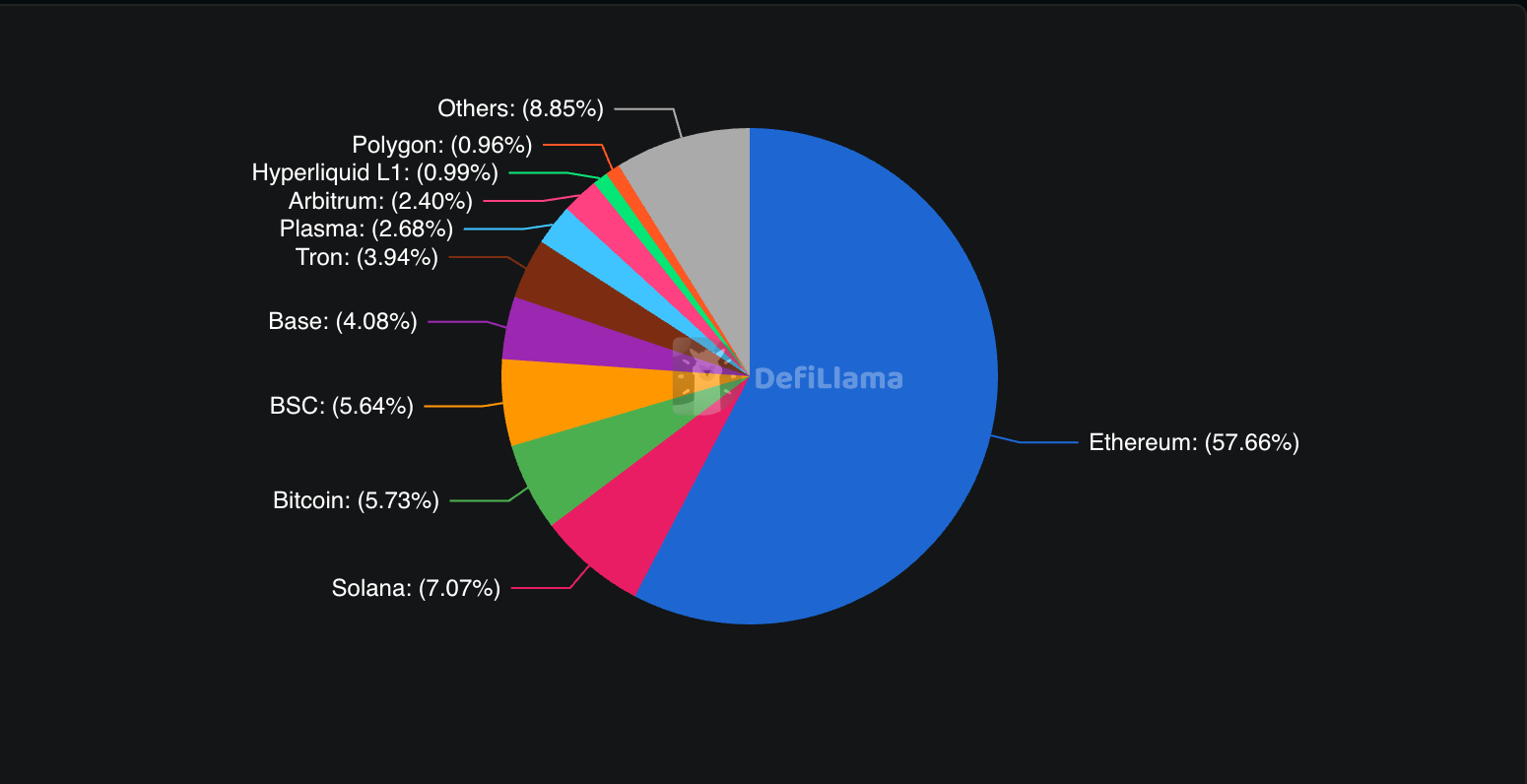
Total Value Locked (TVL) — The Capital on the Line
TVL measures real money actively locked in protocols on a blockchain. Unlike market capitalization or hype, TVL reflects explicit investor risk and confidence.
- Ethereum consistently holds a significantly higher TVL than Solana.
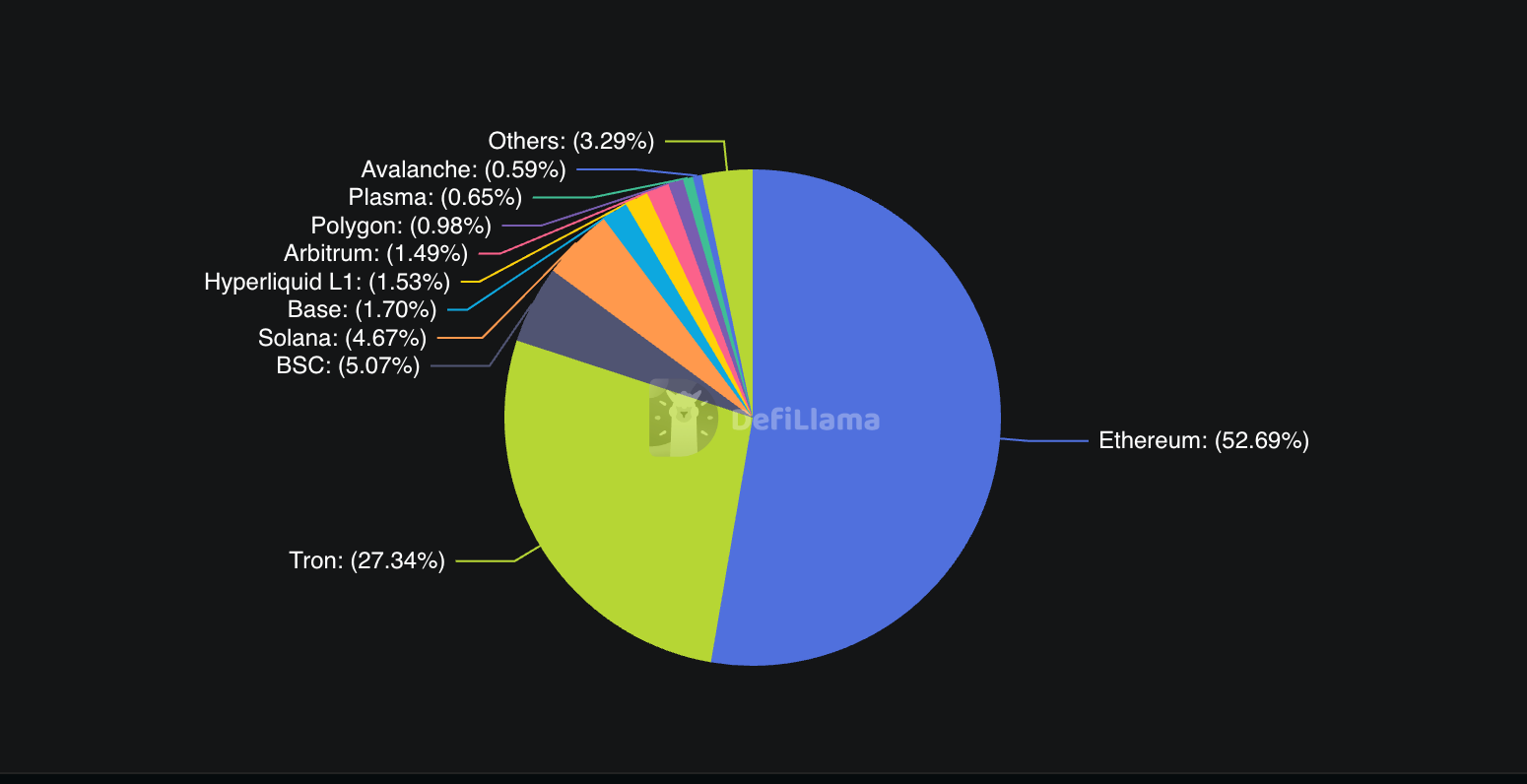
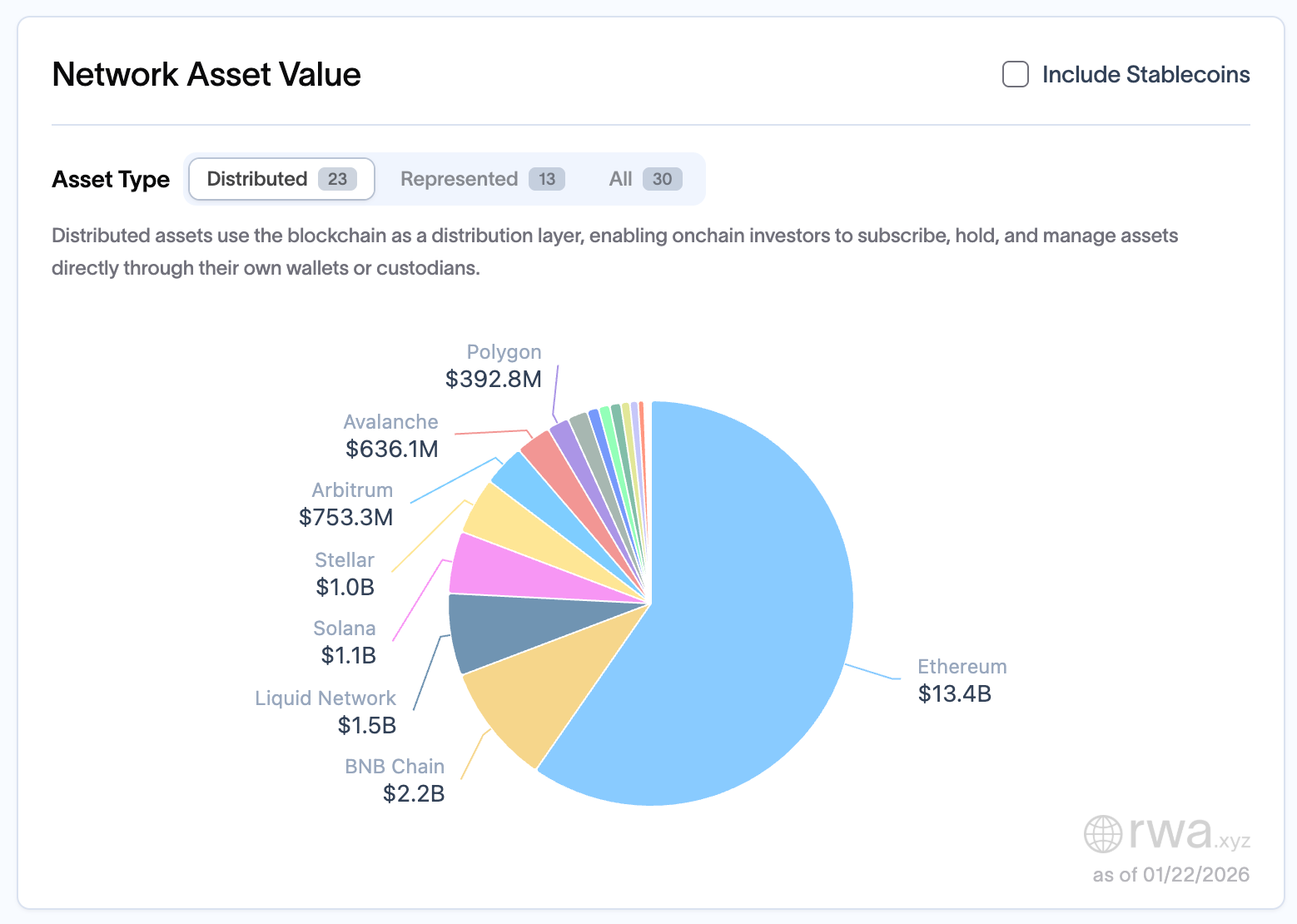
- Large investors, stablecoins, and financial applications predominantly operate on Ethereum—signaling trust in its security model.
This capital gravitation to Ethereum underscores the importance of security and decentralization for real-world financial applications, beyond raw speed.
TVL:
Stablecoins:
RWAs:
Current Network Evolutions and What They Mean for Investors
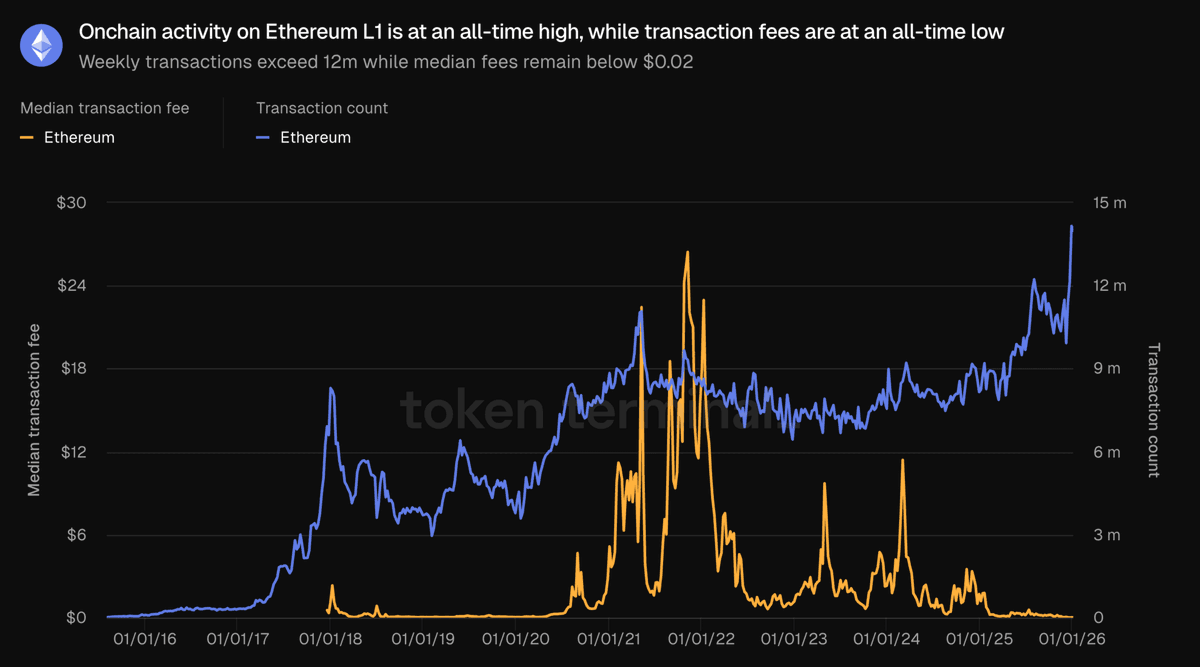
- Ethereum continues optimizing scalability without compromising foundational security, increasingly leveraging Layer 2 solutions to lower transaction costs and boost throughput.
Onchain activity on Ethereum reaches all-time high, while transaction fees fall to all-time low.
- Solana is focusing on improving network stability and consensus robustness following periods of outages but faces intrinsic constraints from its hardware-heavy validator requirements.
Both networks aim to tackle the blockchain trilemma progressively, but Ethereum’s cautious, layered growth approach seems favored for handling serious capital in 2026.
Answer Box: What Is the Main Difference Between Ethereum and Solana?
Ethereum prioritizes security and decentralization, supporting large-scale, secure financial applications with some speed trade-offs mitigated by Layer 2 solutions. Solana prioritizes transaction speed and low costs but requires high hardware resources, resulting in fewer validators and increased centralization risks.
Risks to Consider Before Investing
- Solana’s centralization risk can lead to network outages and censorship, as seen in past failures requiring validator coordination outside the protocol.
- Ethereum’s slower base-layer transactions may deter certain users, but scaling solutions are still maturing.
- Both blockchains face evolving technological and regulatory risks common across the crypto space.
- Past network performance does not guarantee future stability or returns.
Investors must weigh these trade-offs in light of their risk tolerance and investment horizon.
Actionable Summary for Investors
- Ethereum secures the bulk of real capital due to strong decentralization and security.
- Solana offers fast, cost-effective transactions but demands heavy hardware, limiting decentralization and increasing risks.
- Layer 2 scaling is Ethereum’s solution to balance performance and security.
- Real-world financial applications overwhelmingly favor Ethereum, signaling trust for institutional capital.
- Track network upgrades and capital flows to adjust your investment thesis as dynamics evolve.
Why Wolfy Wealth PRO?
Stay ahead of these critical crypto narratives with Wolfy Wealth PRO. Get deep-dive analyses, timely alerts, and model portfolios built for navigating nuanced trade-offs like Ethereum vs. Solana. Our proven strategies empower you to invest with clarity, not hype.
Subscribe now to access today’s full Ethereum vs. Solana playbook and position yourself smartly for 2026. ---
Frequently Asked Questions (FAQs)
Q1: Why does Ethereum use Layer 2 networks?
Ethereum’s Layer 2 solutions process transactions off the mainchain, drastically increasing speed and reducing costs while still inheriting Ethereum’s core security.
Q2: What causes Solana’s network outages?
Solana’s outages often result from validator coordination off-protocol due to its resource-intensive hardware requirements and more centralized validator set.
Q3: How does decentralization affect network security?
Higher decentralization spreads network control over many independent validators, reducing the chance of censorship or coordinated attacks.
Q4: Is Solana’s speed an advantage for investors?
Yes, speed is appealing for user experience and certain applications, but investors must weigh this against the network’s centralized risks.
Q5: What does TVL indicate in comparing blockchains?
TVL shows the actual capital at stake in a network’s financial ecosystem, signaling investor trust and real usage beyond speculation.
Disclaimer: This article is for informational purposes only and does not constitute financial advice. Cryptocurrency investments involve risk, including loss of principal. Do your own research before investing.
By Wolfy Wealth - Empowering crypto investors since 2016
Subscribe to Wolfy Wealth PRO
Disclosure: Authors may be crypto investors mentioned in this newsletter. Wolfy Wealth Crypto newsletter, does not represent an offer to trade securities or other financial instruments. Our analyses, information and investment strategies are for informational purposes only, in order to spread knowledge about the crypto market. Any investments in variable income may cause partial or total loss of the capital used. Therefore, the recipient of this newsletter should always develop their own analyses and investment strategies. In addition, any investment decisions should be based on the investor's risk profile